Source Passport Ocr Mrz Scanner for Visa, E-Passport, and Customs
Compare 30 passport ocr mrz scanner models from verified suppliers. Explore options for visa processing, e-passport verification, and customs clearance with varying scan speeds, interface types, and resolution capabilities to find the right device for your specific operational needs; compare the available evidence and request quotations based on your requirements.
Key considerations
Products List


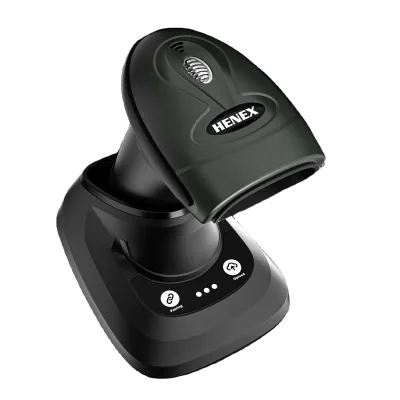
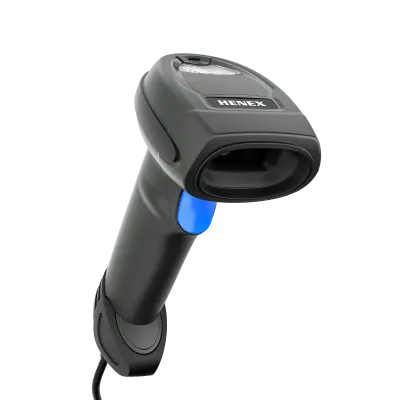
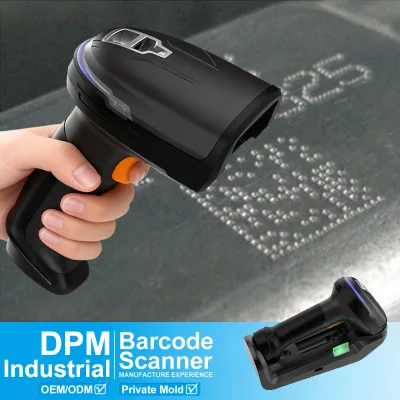

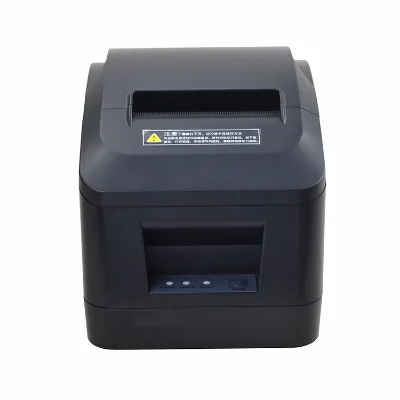



Comprehensive Sourcing Guide
Passport OCR MRZ Scanner Sourcing Guide
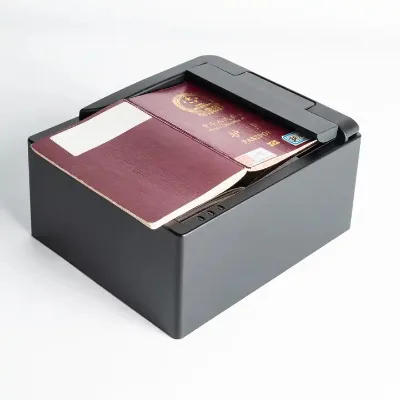
Buyers must first distinguish between flatbed document scanners and handheld mobile units, as the supply chain offers distinct hardware architectures for different operational needs. The observed market includes flatbed models designed for high-volume document processing with specific scan areas, alongside handheld computers featuring integrated thermal printers and cellular connectivity for field operations. Understanding this fundamental hardware split is critical before evaluating specific technical parameters or deployment scenarios.
Procurement decisions should also account for the specific software ecosystems required to process MRZ data effectively. While some units operate strictly within Windows environments, others are built on Android platforms with 4G LTE and Wi-Fi capabilities for real-time data transmission. Buyers need to verify that the selected device supports the necessary OCR algorithms for passport and visa processing, ensuring compatibility with existing government or enterprise verification workflows.
Product Scope and Observed Listing Signals
The current market listing signals indicate a wide price variance, ranging from approximately 20 to over 800 USD, which often reflects differences in processing power, connectivity options, and build quality. Lower-priced units typically focus on basic USB connectivity and standard flatbed scanning, whereas higher-cost models integrate advanced features like 4G LTE, Bluetooth, and internal batteries for mobile deployment. Buyers should treat these price points as indicators of feature sets rather than absolute quality metrics without further technical verification.
Listing descriptions frequently highlight specific applications such as passport, e-passport, and visa processing, alongside general barcode and OMR scanning capabilities. However, the same product category may list conflicting attributes, such as varying network scanning support or different interface types like USB versus RS 232. It is essential to cross-reference the specific model number, such as PPR-100A or HS-2010MRZ, against the actual feature list to avoid purchasing a unit that lacks the required network or scanning capabilities for your specific use case.
Technical Specifications to Verify
Verification of the scan element type and resolution is paramount for ensuring accurate MRZ data capture and document legibility. The supply chain offers units with CMOS scan elements and resolutions up to 1280px by 800px, while others may specify a 400dpi standard. Buyers must confirm that the optical resolution and scan speed, often cited around 100 scans per second, meet the throughput requirements of their specific operational environment to prevent bottlenecks during high-volume processing.
Connectivity and power specifications require rigorous validation to ensure seamless integration with existing infrastructure. Some models support Full Speed USB 2.0 and standard cable protocols, while advanced handheld units may include 4G LTE, 3G, GPRS, and Bluetooth 4.0 for wireless data transfer. Additionally, the working voltage and battery capacity, such as a 3.7V 4800mAh unit, must be checked to ensure the device can sustain operations in remote locations without frequent recharging or external power sources.
Compliance and Safety Documentation
Regulatory compliance is a non-negotiable aspect of sourcing, particularly regarding environmental and safety standards for electronic devices. The observed listings frequently mention approvals such as IP54 for dust proofing and certifications like RoHS and WEEE, which indicate adherence to specific environmental directives. Buyers should request official certification documents to verify that the device meets the safety and environmental requirements of their target market, rather than relying solely on marketing claims.
Electrical safety and electromagnetic compatibility standards must also be confirmed to ensure the device operates safely within the intended facility. While some background knowledge suggests CE certification, the primary evidence available points to specific industrial standards and material safety. Procurement teams should verify that the device's electrical components, including the LED floodlights and internal processors, comply with local safety regulations to mitigate risks of equipment failure or regulatory penalties during importation.
Cost Drivers and Commercial Terms
The total cost of ownership is heavily influenced by the complexity of the hardware, including the inclusion of cellular modems, thermal printers, and high-capacity batteries. Units with advanced communication protocols like 4G LTE and integrated Android operating systems command a premium over basic USB-connected flatbed scanners. Buyers should analyze the feature-to-price ratio carefully, ensuring that the additional cost of mobile capabilities aligns with the actual need for field operations versus stationary processing.
Commercial terms such as Minimum Order Quantity (MOQ) and packaging standards vary significantly across different suppliers and product models. The observed MOQ range spans from 1 to 2 units, suggesting flexibility for small-scale testing, while packaging may range from neutral packing to specialized protective cases. Procurement teams must clarify these terms early in the negotiation process to avoid unexpected costs related to bulk ordering requirements or specialized shipping and handling fees.
Supplier Qualification and Quality Control
Supplier qualification should focus on the manufacturer's ability to provide consistent product specifications and reliable after-sales support. The supply chain includes manufacturers based in Shenzhen and other regions in China, but the specific origin does not guarantee quality without verified production processes. Buyers should request evidence of the manufacturer's quality control protocols, including testing procedures for scan accuracy, durability, and long-term performance stability.
Quality control checks must extend to the physical build and component reliability of the scanner units. Given the variation in listed specifications, such as different CPU speeds or scan area dimensions, it is crucial to validate that the delivered units match the ordered specifications exactly. Implementing a rigorous incoming inspection process, including functional testing of the OCR engine and connectivity modules, will help ensure that the purchased devices meet the operational standards required for passport and visa verification tasks.
Long-Term Procurement Checks
Sustained procurement success depends on verifying the long-term availability of software updates and driver support for the selected hardware. Devices running on specific operating systems like Windows 7 or Android require ongoing maintenance to remain compatible with evolving security protocols and government verification databases. Buyers should confirm the supplier's commitment to providing firmware updates and technical support for the lifespan of the device to prevent obsolescence.
Future scalability and integration capabilities must also be assessed to ensure the hardware can adapt to changing operational demands. As verification processes evolve, the ability to upgrade network capabilities or integrate with new cloud-based systems becomes critical. Procurement teams should evaluate the flexibility of the device's interface standards, such as USB, RS 232, or TTL, to ensure they can accommodate future technological advancements without requiring a complete hardware replacement.
FAQs
What is the scan resolution for this passport OCR MRZ scanner?
The device features a CMOS scan element with a resolution of 1280px by 800px. It supports a scan speed of 100 scans per second. This ensures fast and clear capture of passport data. The scan area measures 125mm by 92mm. It is suitable for high-volume document processing tasks.
Can this passport OCR MRZ scanner connect via network?
Yes, the system supports network scanning capabilities. It also offers Full Speed USB 2.0 communication for direct connections. Users can choose between USB, RS 232, TTL, or RS485 cable standards. This flexibility allows integration into various existing hardware setups without compatibility issues.
Which operating systems are supported by this passport scanner?
The hardware is compatible with Windows 7 and above. It also supports Android operating systems for handheld variants. This broad OS support ensures easy deployment across different computing environments. The system includes OCR software for passport data extraction. It works seamlessly with standard document processing workflows.
What certifications does this passport OCR MRZ scanner hold?
The product holds IP54 dust-proof certification for durability. It also complies with Weee and RoHS standards. These certifications ensure environmental safety and physical protection. The device is manufactured in Shenzhen, China. Buyers can verify these standards during the sourcing process for compliance requirements.
How is the passport scanner powered and what is its voltage?
The device operates on a working voltage of 5V plus or minus 5%. It uses visible LED illumination between 430-680nm. Some handheld models include a 3.7V 4800mAh battery. The unit features three status indicator LEDs for power and error states. This ensures reliable operation in various lighting conditions.
What is the minimum order quantity for this passport scanner?
The observed minimum order quantity ranges from 1 to 2 units. This low MOQ allows for easy sample testing and small batch orders. Buyers can customize the product features if needed. The neutral packing option is available for standard shipments. This flexibility supports both individual buyers and small enterprises.